
How Do Forests Store Carbon—and What Happens When They Are Lost?
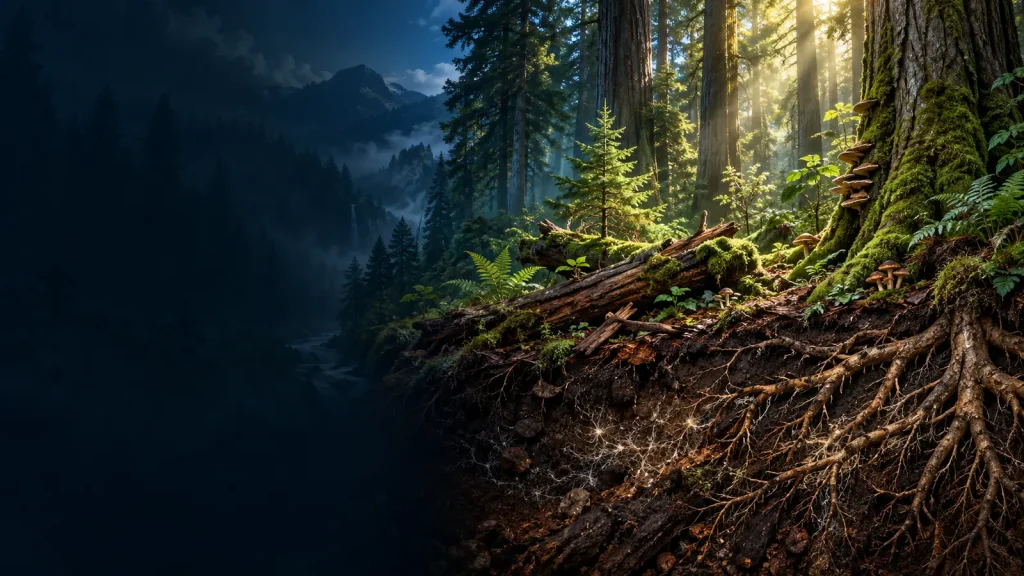
Forest carbon moves through living trees, dead wood, soil and people’s decisions. Learn why carbon stocks, sequestration and tree planting are not the same.
Read entryClear explanations of nature, space and the scientific ideas that shape our world.
Forest carbon moves through living trees, dead wood, soil and people’s decisions. Learn why carbon stocks, sequestration and tree planting are not the same.
Read entry
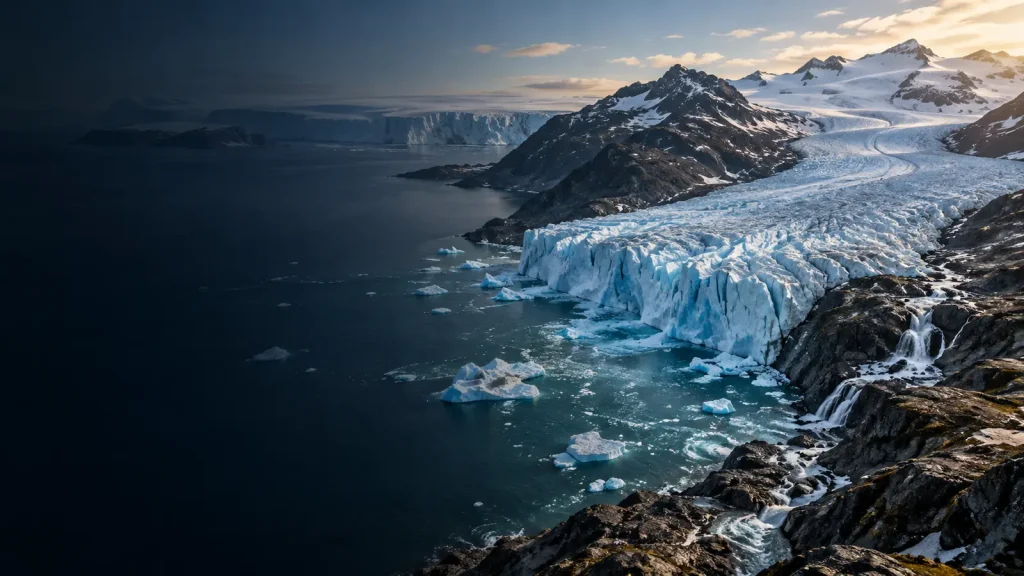
Glaciers gain snow and lose ice every year. Learn why warming is shifting that balance and what the change means for water, hazards and sea level.
Read entry
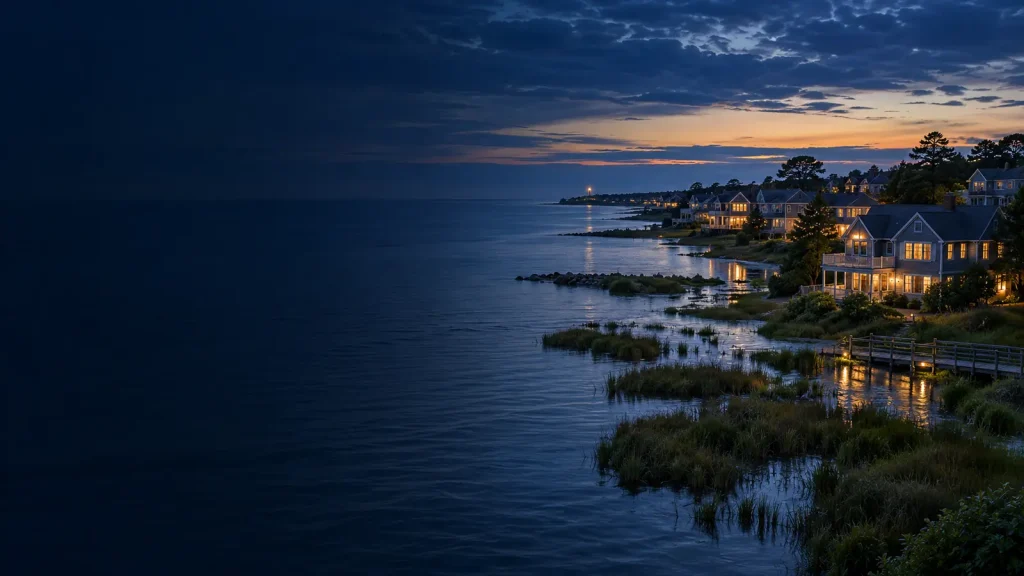
Warmer water expands and melting land ice adds water to the ocean. Learn why local land movement matters and how coastal communities can respond.
Read entry
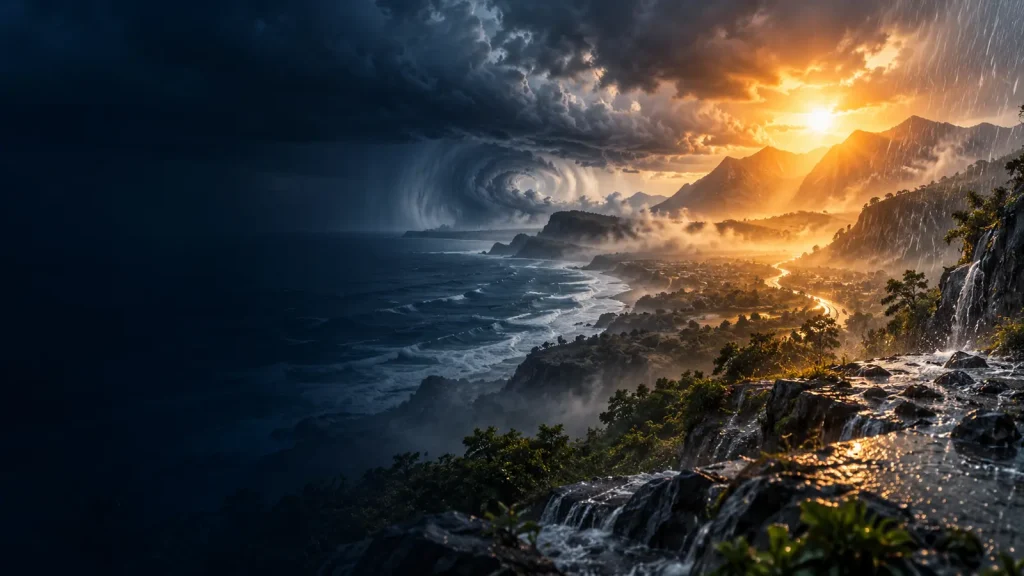
Climate change loads the weather dice, but it is not the only cause of a disaster. Learn where the evidence is strongest and how attribution works.
Read entry
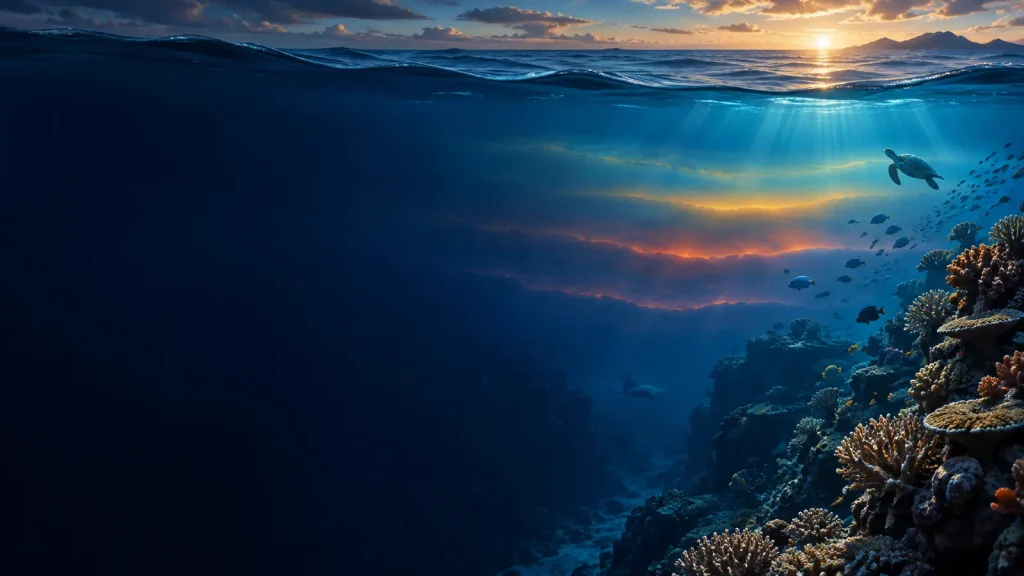
The ocean stores most of Earth’s excess heat. Learn how scientists measure that change and why it matters for ecosystems, coasts, weather and food.
Read entry
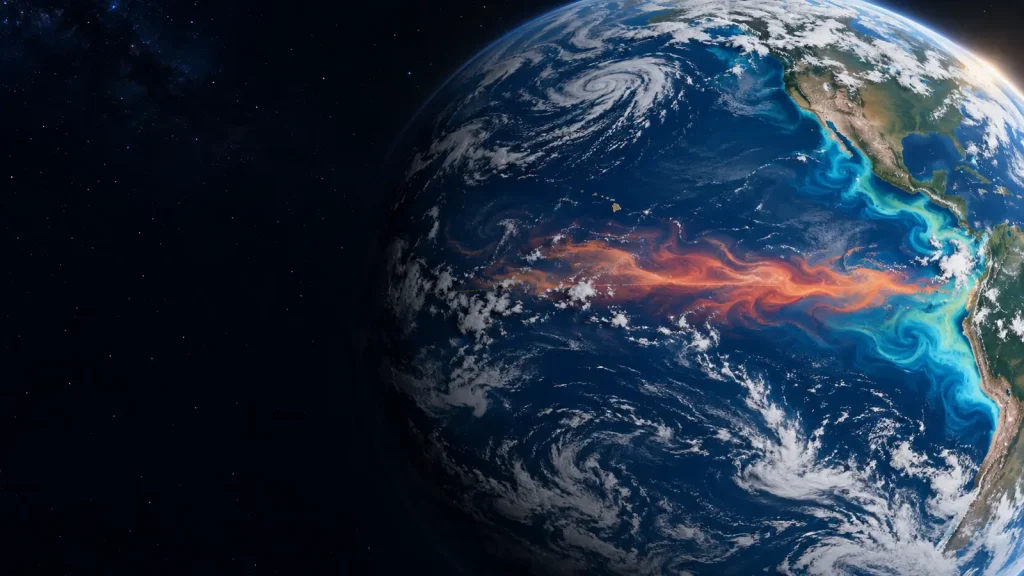
El Niño and La Niña begin in the tropical Pacific but can shift rainfall, heat, storms, fisheries and harvests worldwide. Learn how the coupled cycle works.
Read entry
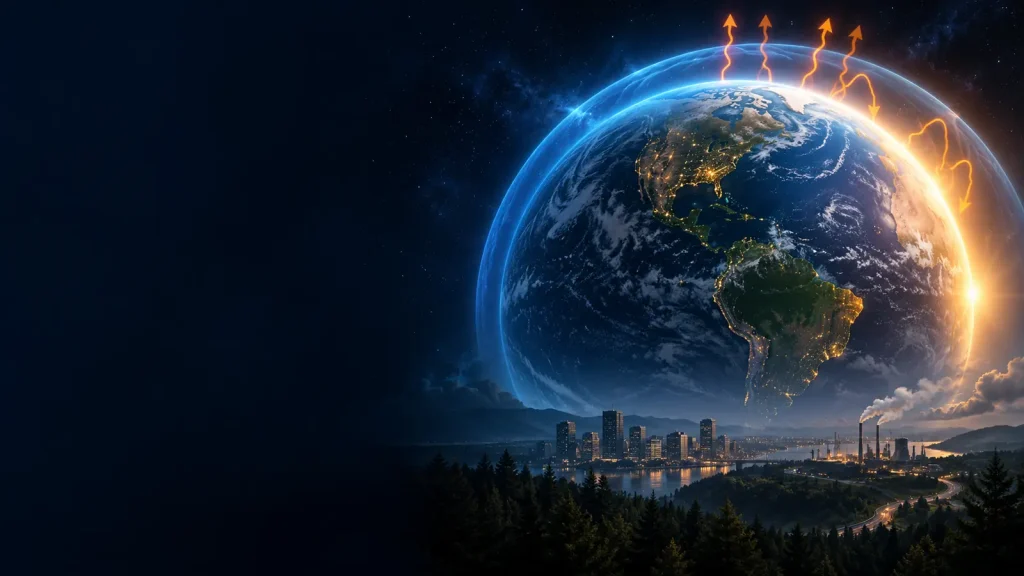
Human activities are strengthening Earth’s greenhouse effect. Learn how the energy imbalance works, how scientists identify its cause and what limits future warming.
Read entry
A carbon footprint is a map, not a moral score. Find realistic changes across energy, transport, food and purchases, then strengthen them through collective action.
Read entry