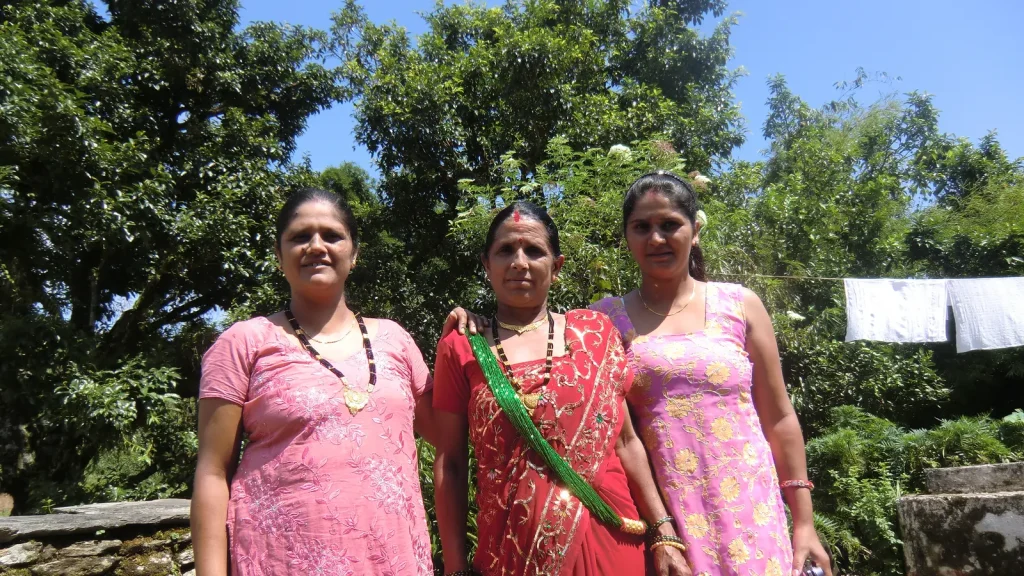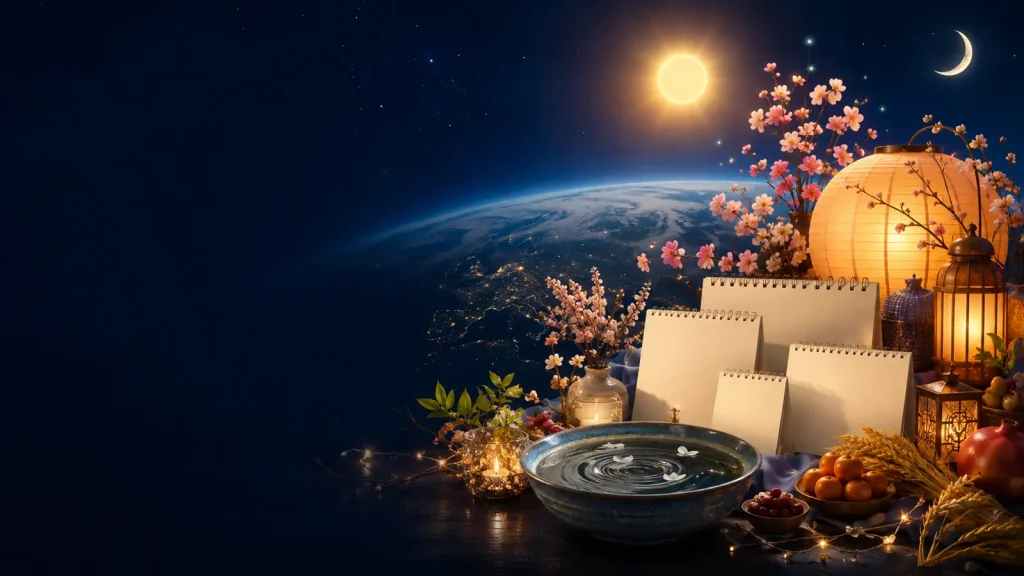

The Dashain festival in Nepal begins quietly: a ritual vessel is installed, seeds are planted for jamara, and daily worship starts. Over the next two weeks, that private beginning grows into Nepal’s biggest season of family travel, blessings, temple observance and reunion. Homes fill with relatives, bamboo swings rise in open spaces, kites appear above the rooftops, and elders prepare to place tika and jamara on younger family members.
Dashain is often summarized as a celebration of the victory of good over evil. That is true, but incomplete. It is also a harvest-season festival, a cycle of worship centred on Goddess Durga, a time for repairing family ties, and an annual homecoming for people living elsewhere in Nepal or abroad. No single household represents the whole country: ritual details, food, tika colour and even enthusiasm for the festival vary by community, region, generation and belief.
Quick answer: Dashain is a 15-day Hindu festival observed in Nepal from Ghatasthapana to Kojagrat Purnima. The first nine days form Navaratri, the tenth day is Vijaya Dashami—the principal day for receiving tika, jamara and blessings—and family visits often continue until the full moon. In 2026, the official Kathmandu calendar places Ghatasthapana on 11 October, Vijaya Dashami on 21 October and Kojagrat Purnima on 25 October.
Dashain at a glance
| Question | Short answer |
|---|---|
| What is Dashain? | A 15-day Hindu festival honouring Durga and celebrating renewal, family bonds and the triumph of beneficial forces over harmful ones |
| When does it occur? | Usually in September or October, according to the lunar calendar |
| What is the main day? | Vijaya Dashami, the tenth day, when elders commonly give tika, jamara, blessings and sometimes dakshina |
| What are the first and last days? | Ghatasthapana begins the festival; Kojagrat Purnima closes it |
| Is every day a public holiday? | No. Dashain lasts 15 ritual days, but official holidays cover only part of the period |
| Does everyone in Nepal celebrate identically? | No. Nepal is culturally and religiously diverse, and participation ranges from intensive worship to family gatherings—or no observance |
Dashain festival in Nepal: 2026 dates
Dashain follows lunar tithis, not a fixed set of Gregorian dates. A tithi can begin or end during a solar day, and occasionally a tithi is extended or compressed in the printed calendar. That is why it is safer to use an official Nepali calendar than to calculate “day two” by simply adding 24 hours.
The Kathmandu Metropolitan City calendar lists these key observances for 2083 B.S. (2026 A.D.):
| Observance | Bikram Sambat date | Gregorian date |
|---|---|---|
| Ghatasthapana | Asoj 25, 2083 | Sunday, 11 October 2026 |
| Phulpati | Asoj 31, 2083 | Saturday, 17 October 2026 |
| Maha Ashtami | Kartik 1, 2083 | Sunday, 18 October 2026 |
| Maha Navami | Kartik 3, 2083 | Tuesday, 20 October 2026 |
| Vijaya Dashami | Kartik 4, 2083 | Wednesday, 21 October 2026 |
| Papankusha Ekadashi | Kartik 5, 2083 | Thursday, 22 October 2026 |
| Kojagrat Purnima | Kartik 8, 2083 | Sunday, 25 October 2026 |
Nepal uses Bikram Sambat for civil dates while festival timing also depends on the lunar calendar. If the two systems are unfamiliar, SOAKJAM’s guide explains why Nepal’s calendar is about 57 years ahead. Exact ritual times, including any officially recommended time for Vijaya Dashami tika, should be confirmed from the current year’s Nepali panchanga or the family priest.
What the Dashain festival in Nepal means
The festival’s central religious image is Durga, the powerful goddess who defeats the buffalo demon Mahishasura. Other popular explanations connect Vijaya Dashami with Rama’s victory over Ravana. The stories differ, but both express a movement from disorder toward justice, from fear toward protection and from destructive power toward dharma.
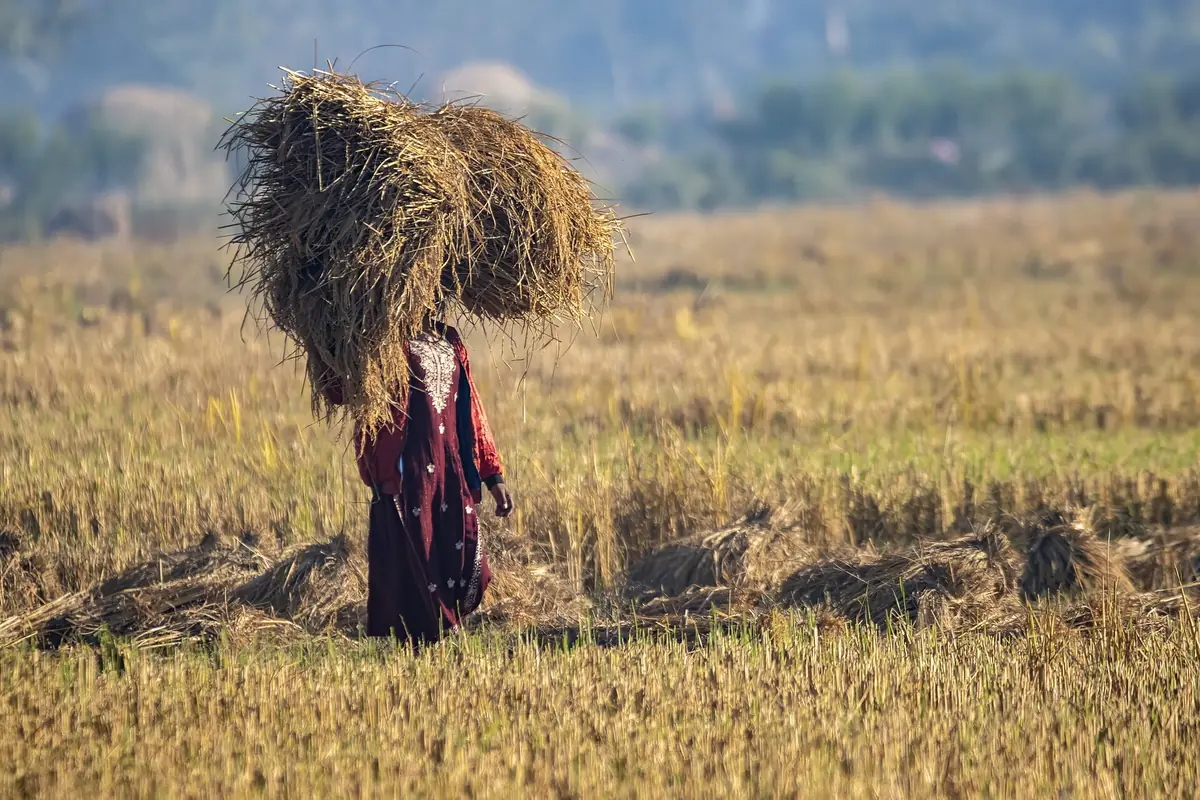
Dashain also belongs to the agricultural rhythm of the year. It arrives after the monsoon, when fields are green and the prospect of harvest gives the season its sense of renewal. For many families, however, its strongest meaning is relational. People travel long distances to return home, younger relatives bow to elders, and blessings are renewed across generations.
The Nepal Tourism Board’s overview of Dashain describes it as a harvest festival marked by Durga worship, gifts, blessings, home visits, feasts, kites and village swings. Those features are widely recognizable, but the balance between devotion, custom and recreation differs from one home to another.
The 15 days of the Dashain festival in Nepal
The day names below follow the lunar sequence from the bright fortnight’s first day to the full moon. Only some days have a distinct observance recognized across Nepal. On the quieter days, worship continues, jamara grows and households prepare. Saying that clearly is more accurate than inventing a separate universal ritual for every date.
Day 1: Ghatasthapana (Pratipada)
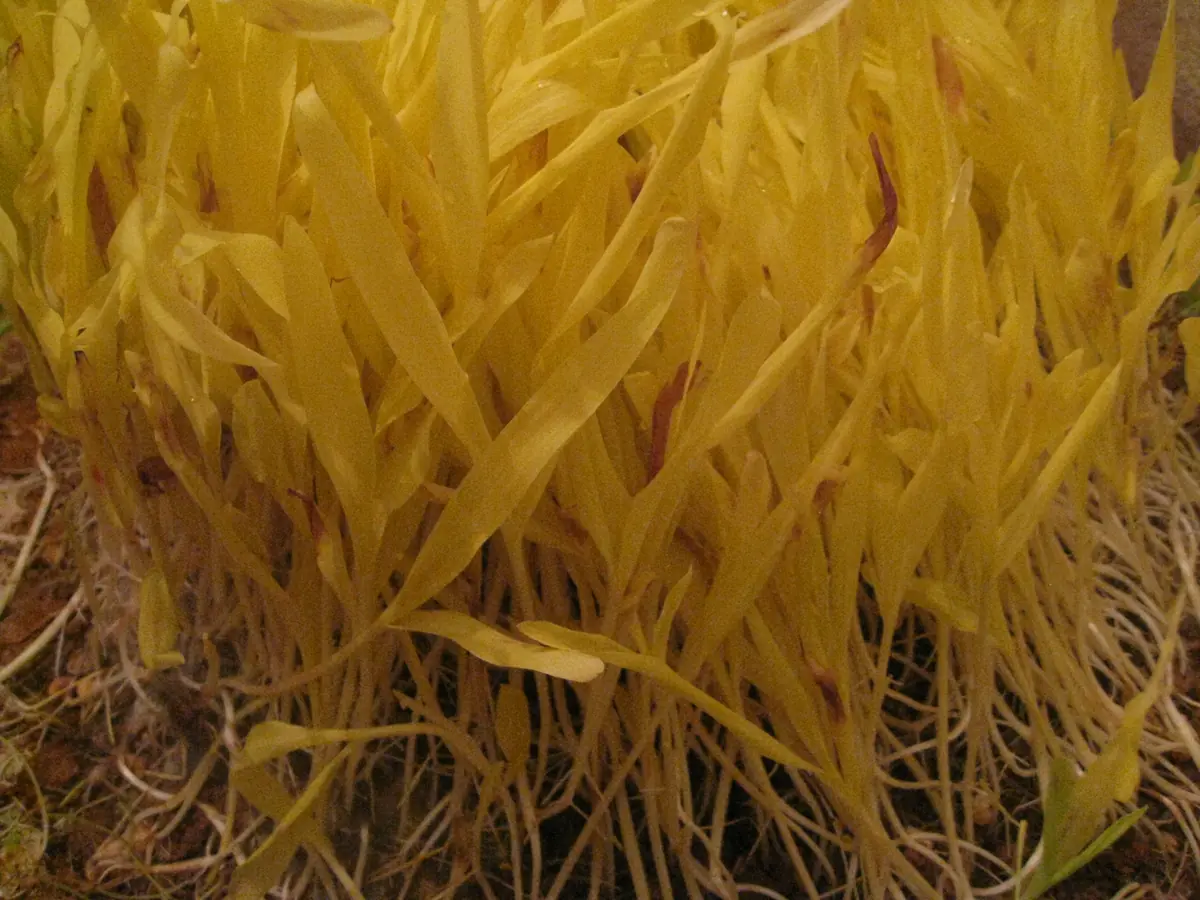
Ghatasthapana, meaning the establishment of the sacred vessel, opens Dashain. A kalash or ghata is placed in a purified worship area, often with water and ritual materials. Barley seeds—and in some homes other grains—are sown in sand or soil and kept in a protected, usually dark place. They will grow into yellow-green jamara for Vijaya Dashami. Daily worship of Durga begins, and the household tends the seedlings with care. The quiet work of growing jamara gives the festival a living symbol of fertility, renewal and blessing.
Day 2: Dwitiya
On the second lunar day, the household’s Dashain routine settles in. The worship space is maintained, lamps or incense may be offered, and the newly sown seeds are checked and watered according to family custom. There is no single nationwide “Day 2 ceremony” comparable with Phulpati or Vijaya Dashami. The day matters as part of a continuing vow and rhythm. Families may also begin practical preparations: cleaning rooms, planning travel, checking gifts and contacting relatives whose homes they hope to visit.
Day 3: Tritiya
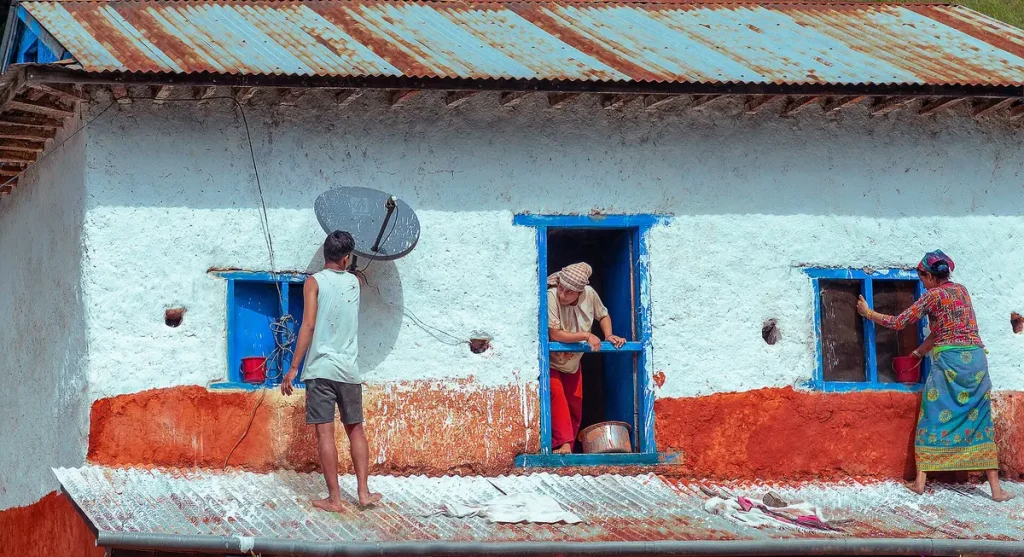
Tritiya continues the Navaratri cycle. Some devotees relate successive days to different forms of the goddess, while other households use a simpler daily Durga puja without naming each form. The jamara should now show its first visible growth. Outside the worship room, markets become busier and transport plans become more urgent. Clothing, food, puja supplies and tickets are practical concerns, but spending is not the measure of a meaningful Dashain. A modest observance can carry the same affection and respect as an elaborate one.
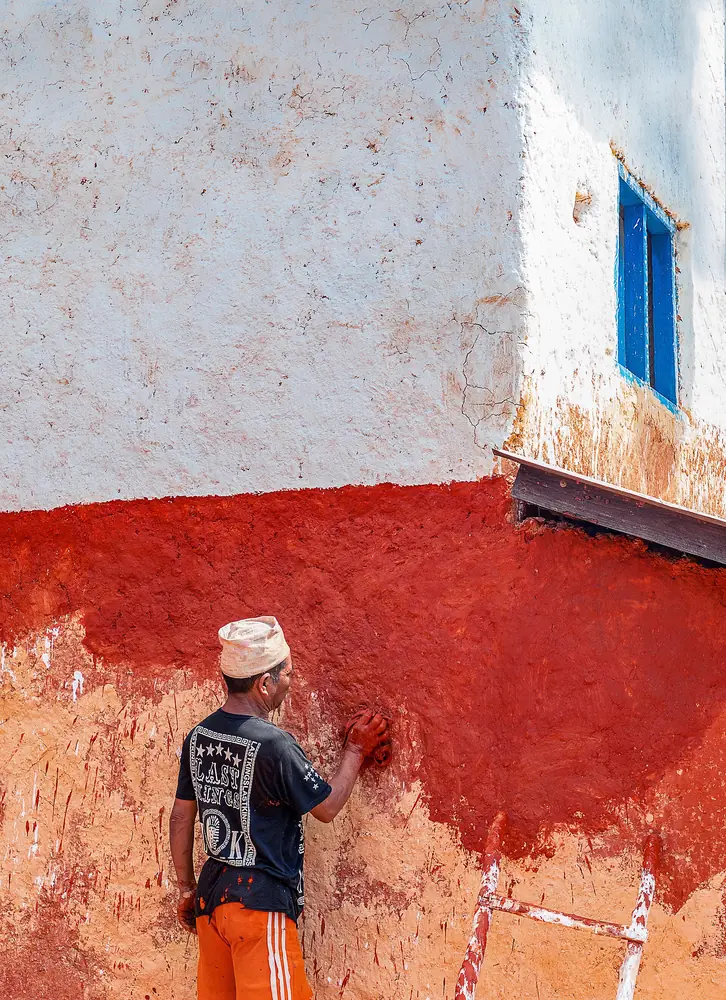
Day 4: Chaturthi
On Chaturthi, worship and household preparation continue. Families may clean entrances, repair the home, organize bedding for guests or prepare ingredients that can be stored for later meals. Children often feel the approach of the holiday through new clothes, kites or the construction of a local swing. The religious and domestic parts of Dashain are not separate worlds: caring for the worship space, welcoming relatives and making a home ready are all ways of preparing for renewal and reunion.
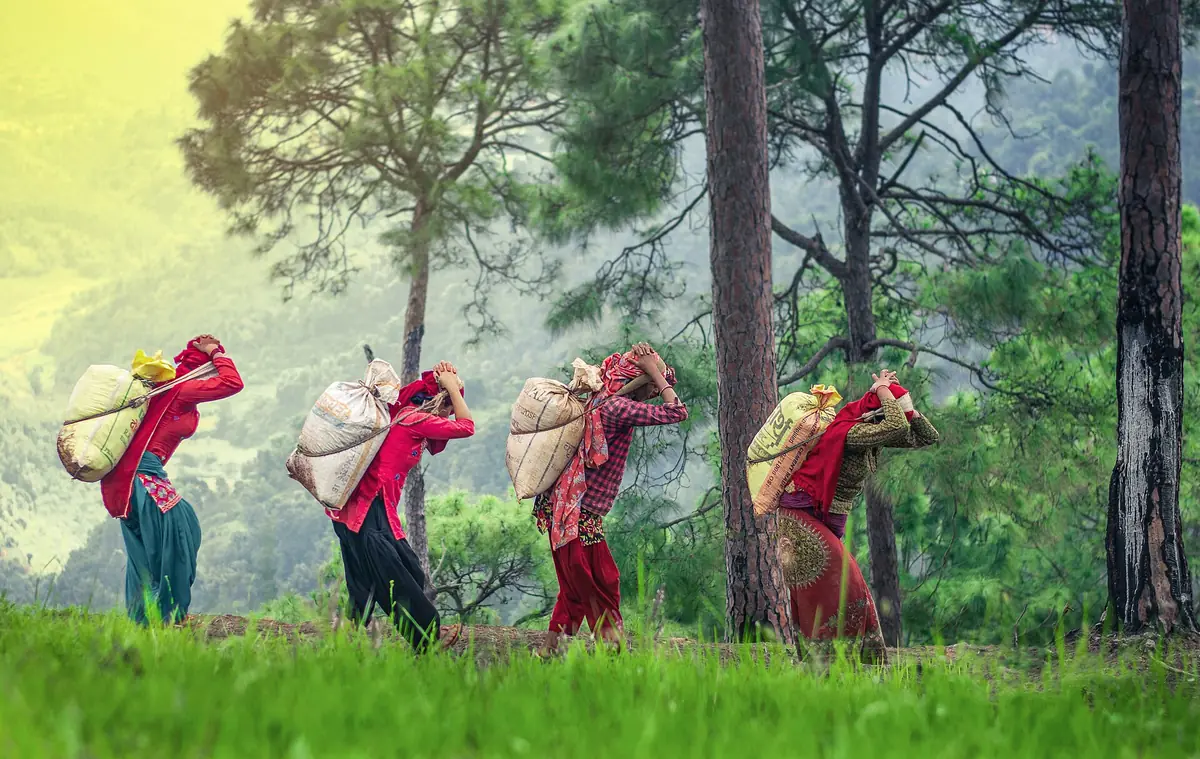
Day 5: Panchami
Panchami is another day without one compulsory ritual shared by every community. Devotees continue prayers, and the jamara is protected from harsh light so that it develops its familiar pale colour. Households may make pickles, sweets or other foods ahead of the busiest days. People travelling from cities or overseas start their journeys when work and transport allow. In contemporary life, the exact day of arrival is often shaped as much by flight schedules, school holidays and road conditions as by the ritual calendar.
Day 6: Shashthi
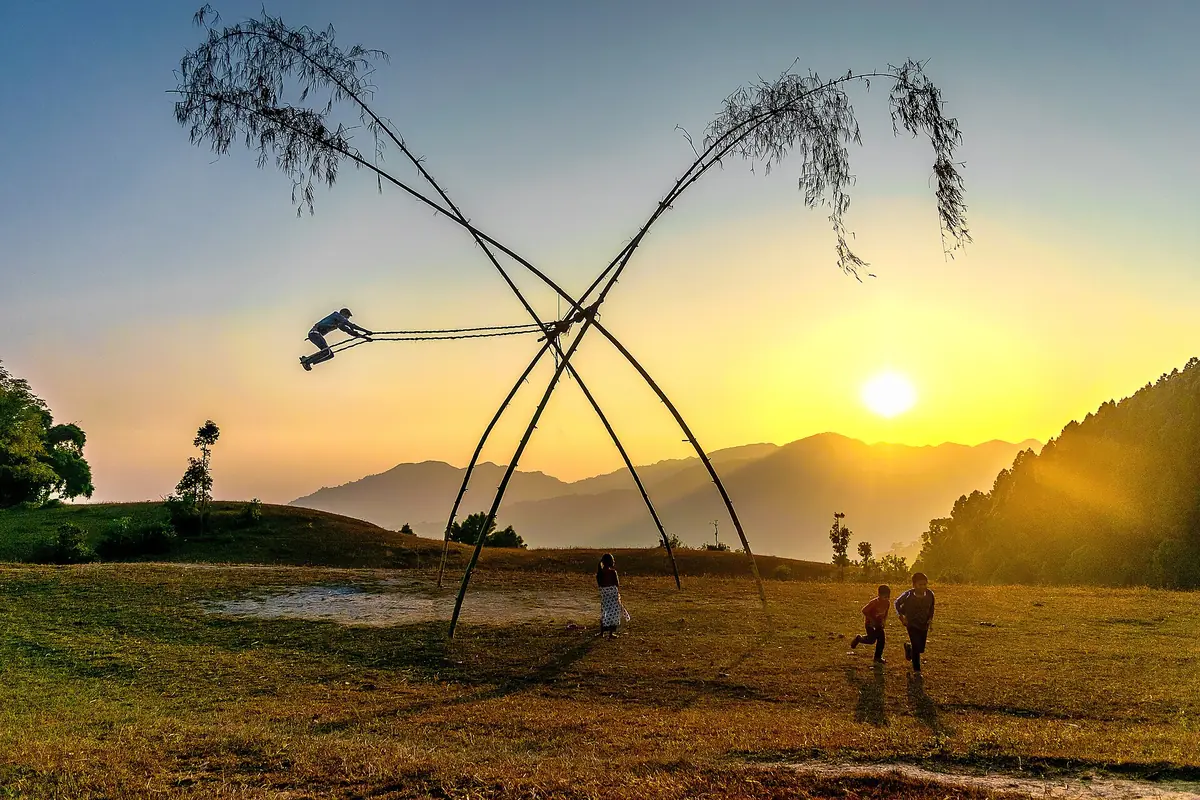
Shashthi is the final preparatory day before the widely recognized Phulpati observance. Homes may complete shopping, cooking plans and ritual arrangements. In places where a bamboo linge ping is built, community members gather materials and secure the structure. The day also illustrates why Dashain should not be reduced to its tenth day: anticipation has been building through repeated worship and shared labour. By evening, many families are ready for the festival’s more public and intensive phase.
Day 7: Phulpati (Saptami)
Phulpati means “flowers and leaves,” although the ritual bundle carries a wider collection of auspicious plant materials. It is brought into the worship space on the seventh day. A prominent state tradition carries Phulpati connected with Gorkha to Kathmandu’s historic royal precinct, accompanied by a ceremonial procession. At the household level, the day marks Durga’s auspicious presence and the transition into the busiest part of Dashain. Offices and schools are commonly closing, travellers are arriving, and family kitchens move into full festival mode.
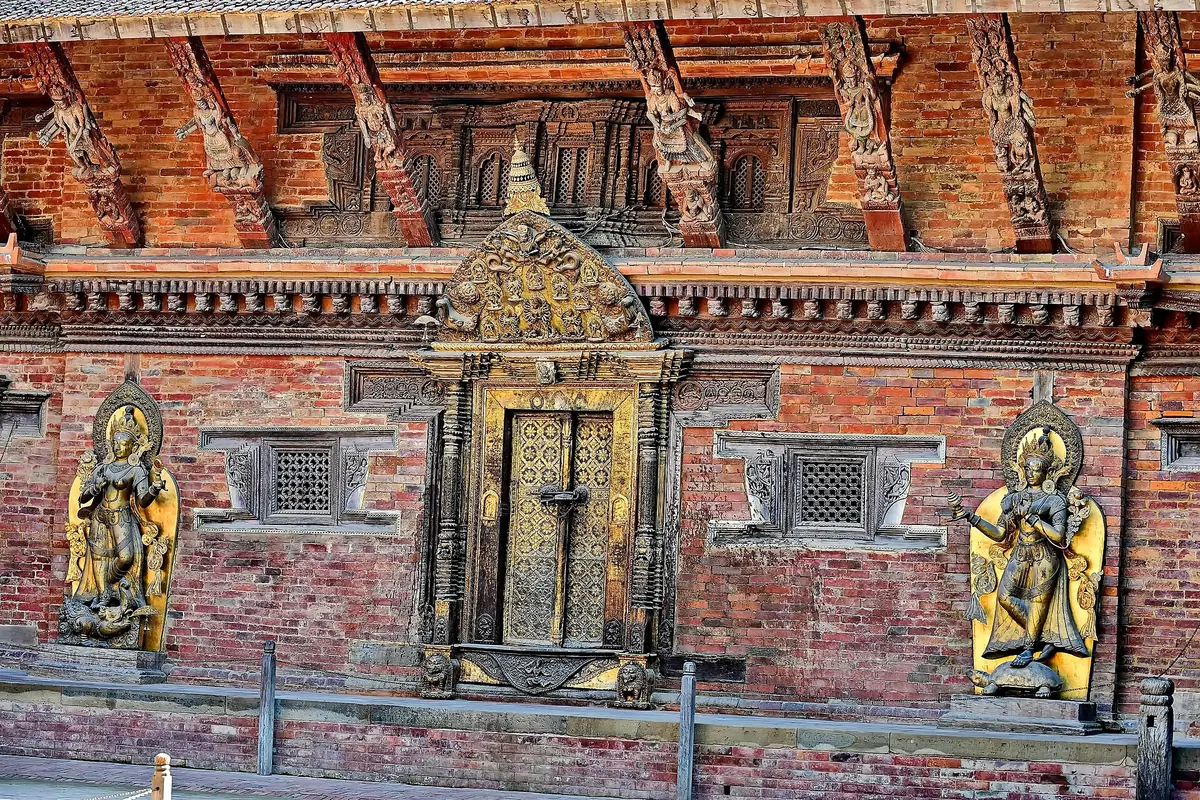
Day 8: Maha Ashtami and Kalaratri
Maha Ashtami is a powerful day of Durga or Kali worship. Temples can be crowded, and some Shakta traditions make animal sacrifices as religious offerings. Many other families do not: they offer fruit, flowers, sweets or symbolic vegetarian substitutes. Practice is shaped by theology, community, personal ethics and changing social attitudes. Kalaratri observances take place at night in some traditions. A respectful account should neither hide sacrifice nor present it as the only authentic form of Dashain.
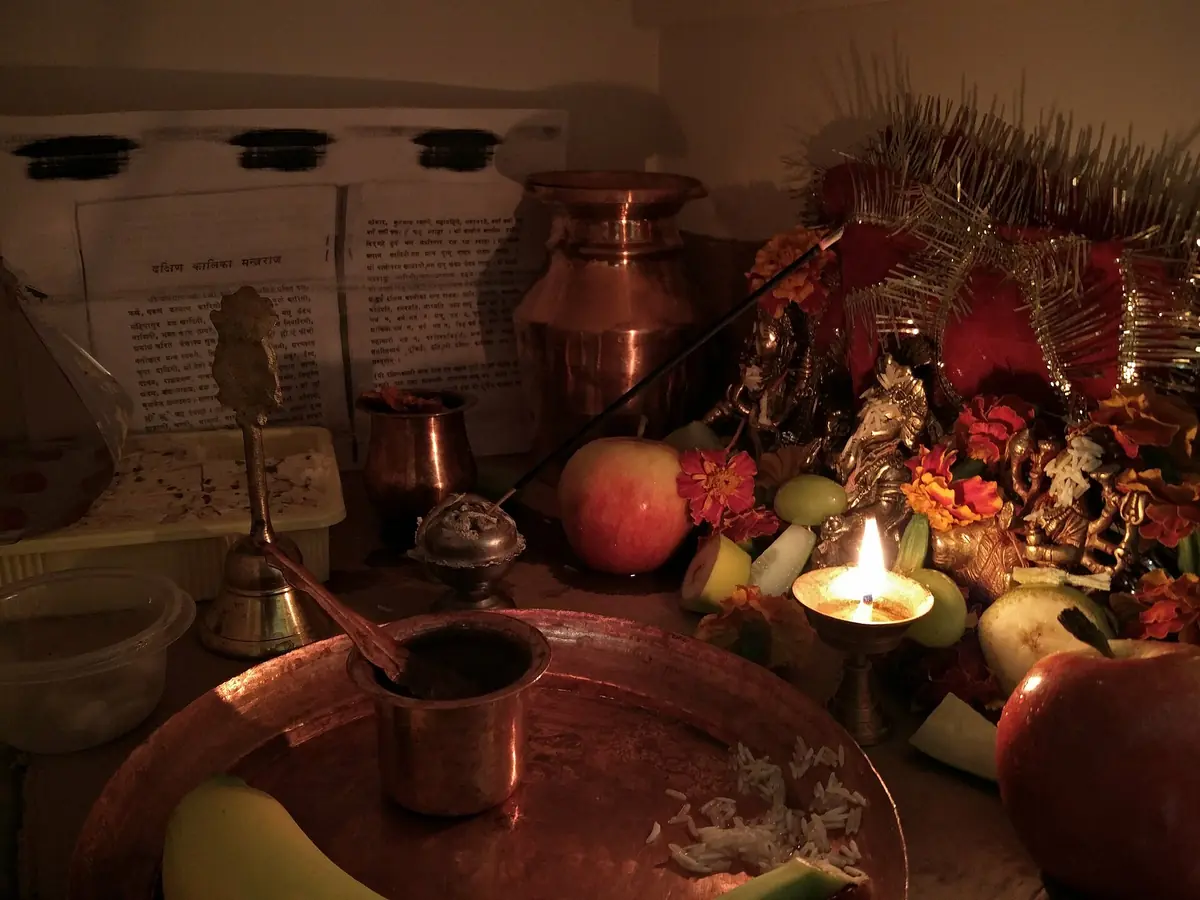
Day 9: Maha Navami
Maha Navami completes the nine-night Navaratri sequence. Tools of work, vehicles, machinery and instruments may be cleaned and worshipped in gratitude and for safety. Artisans, drivers, businesses and military or police institutions can express the day differently. In Kathmandu, Taleju Temple—normally not open to the general public—traditionally opens for devotees on Maha Navami. The day carries a sense of culmination: final Durga rites are performed and households prepare the tika, jamara, food and visiting plans for Vijaya Dashami.
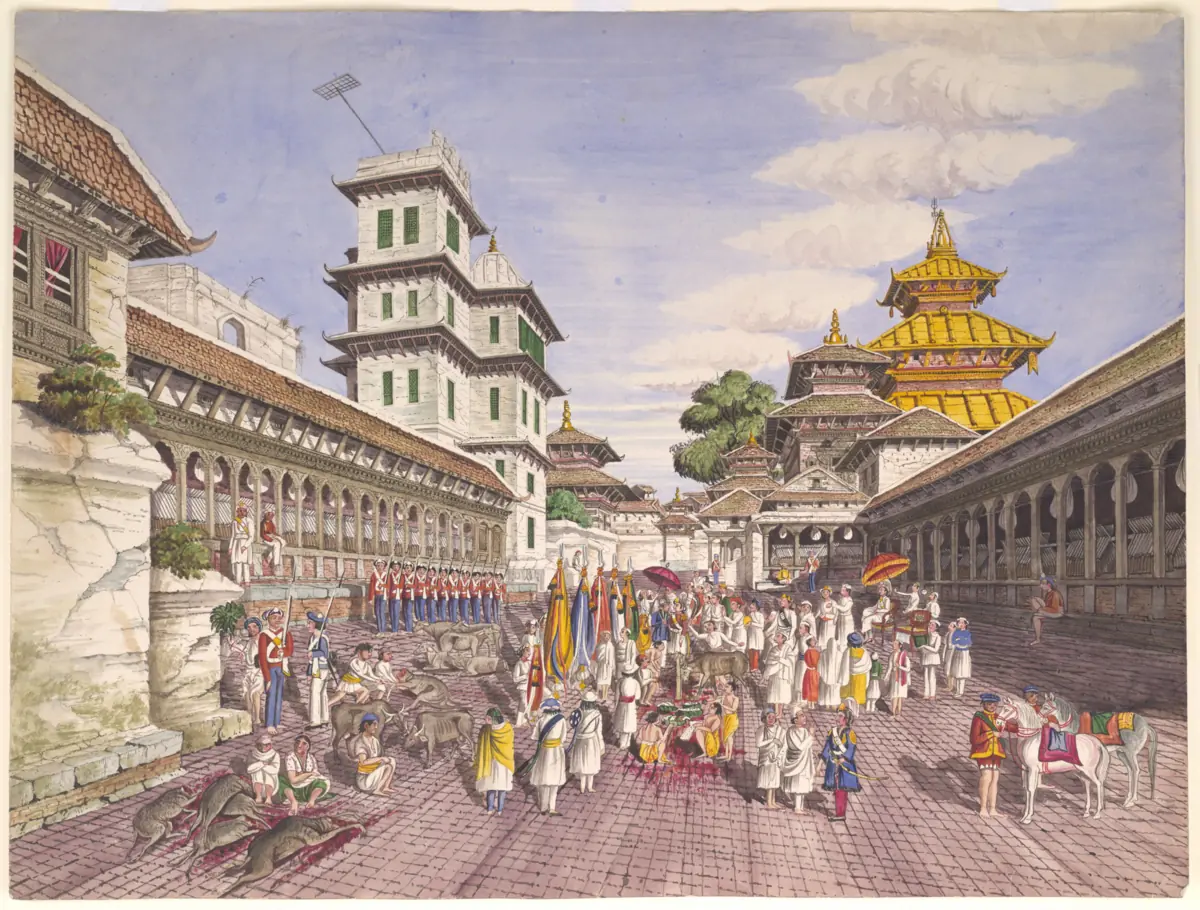
Day 10: Vijaya Dashami
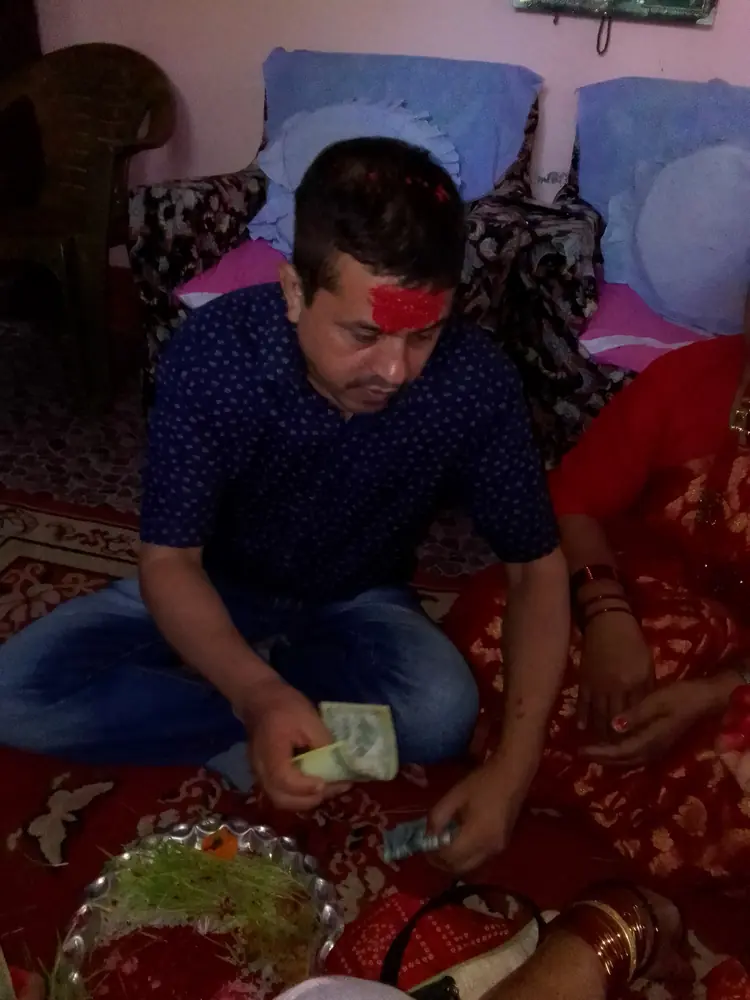
Vijaya Dashami is the emotional centre of Dashain. Elders place tika on the foreheads of younger relatives, tuck jamara over the ear or into the hair, and speak blessings for health, wisdom, prosperity and a long life. Tika commonly combines rice, yogurt and vermilion, although colour and preparation vary across families and communities. Elders may also give dakshina, a gift of money. The gesture matters more than the amount: the exchange affirms respect, care and continuity between generations.
Visits often begin with the closest senior relatives and then extend through the wider family. People wear festive clothes, share meals and carry tika visibly from one home to the next. The official auspicious time may guide the beginning of tika in some households, but family practice is not identical everywhere, and blessings continue well beyond a single moment.
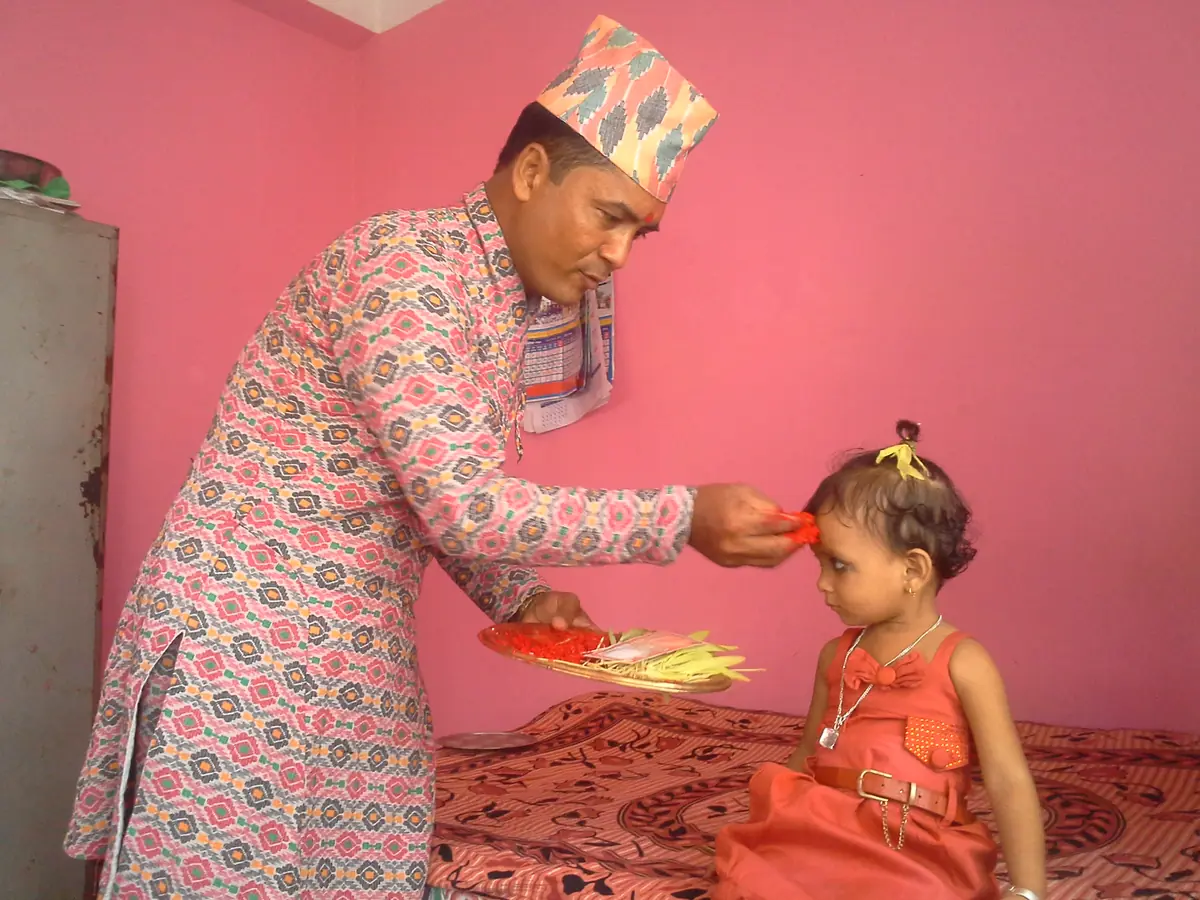
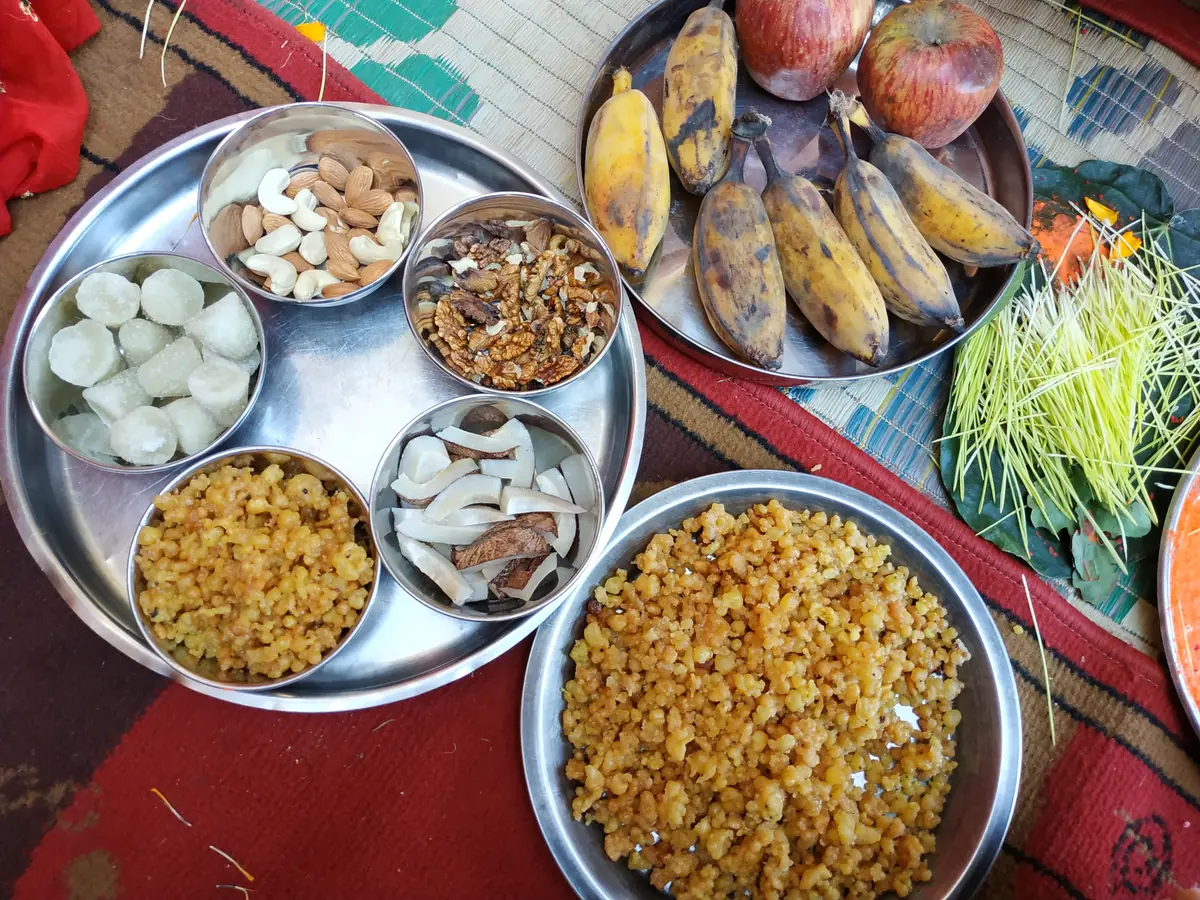
Day 11: Papankusha Ekadashi
Vijaya Dashami does not end the family visiting. On Ekadashi, many people continue to receive tika and blessings from relatives they could not reach on the main day. Routes may be planned around grandparents, maternal relatives, in-laws and senior members of an extended family. The religious calendar identifies the day as Papankusha Ekadashi, while the lived Dashain experience is often one of travel, conversation and repeated welcome. Some households also follow Ekadashi food rules, while others focus mainly on the family round.
Day 12: Dwadashi
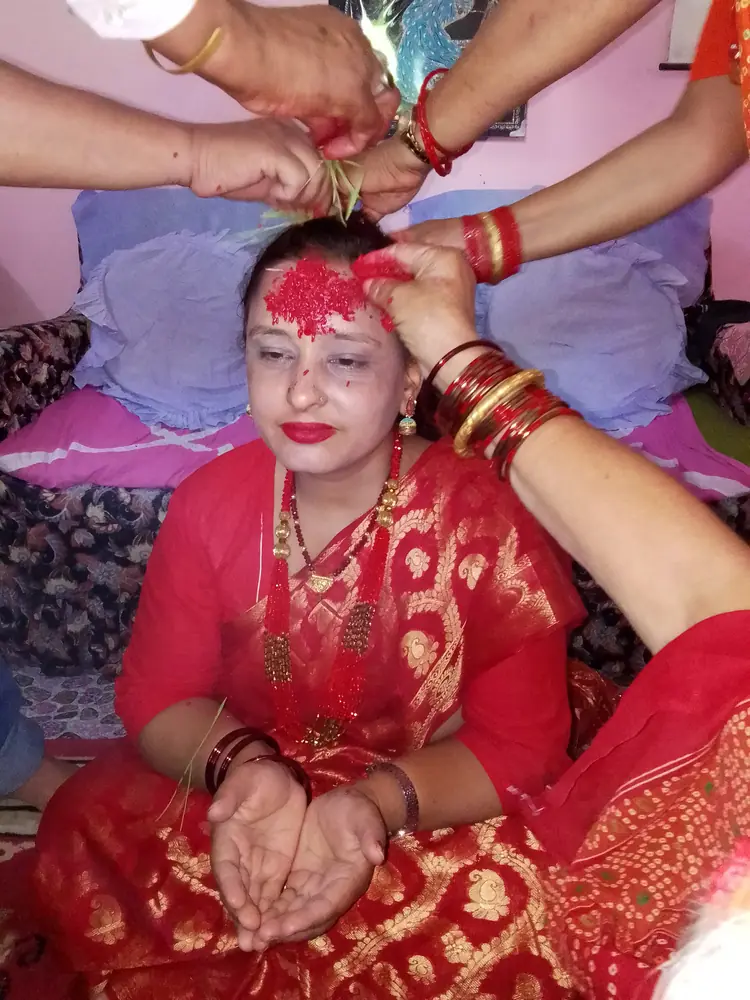
Dwadashi continues the visiting period in many families. A relative living in another district, someone delayed by work or a member of the diaspora joining remotely may be included now rather than on Vijaya Dashami itself. Tika can therefore function less like one appointment and more like an extended family season. Hosts keep food ready, younger people carry gifts, and each visit creates time for news and advice. The pace may be quieter than on day ten, but the intergenerational purpose remains.
Day 13: Trayodashi
By Trayodashi, some households have completed their formal visits, while others continue. There is no universal special ceremony required of every Nepali family on this day. That flexibility is important for understanding present-day Dashain: relatives may live far apart, older people may not be able to travel, and workers may have only a short holiday. Families adapt the order without necessarily feeling that the blessing has lost its value. Phone and video calls now accompany or sometimes substitute for an in-person visit.
Day 14: Chaturdashi
Chaturdashi is the penultimate day. Remaining visits are made, homes begin to move out of the most intensive holiday routine, and travellers may prepare to return to work or school. Some families continue daily worship until the closing full moon. Others experience the day mainly as a gentle transition back to ordinary schedules. Dashain can be joyful and tiring at once: long journeys, hosting, cooking and financial pressure are real parts of the season, even when the reunion is deeply valued.
Day 15: Kojagrat Purnima
Kojagrat Purnima, the full-moon night, closes Dashain. The name is associated with wakefulness—“Who is awake?”—and some traditions worship Lakshmi or remain awake in devotion and play. Household rites connected with the ghata and jamara are concluded according to local custom. The long period for receiving Dashain tika also ends. The festival’s final night turns attention from celebration toward the work and responsibilities ahead, carrying blessings from the family gathering into the coming year.
What tika, jamara and blessings mean
Tika and jamara are the most recognizable symbols of the Dashain festival in Nepal. Tika makes the blessing visible; jamara links it to the grain planted on the first day and to hopes for growth. The spoken blessing gives the ritual its personal force. An elder may use a traditional Sanskrit verse, offer wishes in Nepali or speak directly about health, study, work, courage and good conduct.
The direction of respect is clear but not cold. Younger people bow or lower their heads; elders respond with touch, words and hospitality. Dakshina may accompany the blessing, especially for children, but Dashain should not be judged by how much money changes hands. For families separated by migration, even seeing the tika ceremony by video can become an important expression of belonging.
Food, clothing, swings, kites and music
Food is another way the Dashain festival in Nepal becomes local. Festival meals vary with region, religion, budget and family preference. Rice, meat or vegetable curries, pickles, fried breads, fruit and sweets may appear, but no one menu defines an authentic celebration. Some households make sacrificial meat part of the feast; others prepare entirely vegetarian food. What matters socially is that guests are welcomed and food is shared without placing impossible financial expectations on the host.
New clothes are a familiar Dashain pleasure, especially for children, yet reuse and simplicity are equally legitimate. Bamboo swings—often called linge ping—turn open ground into a communal gathering place. Kite flying gives rooftops and hillsides a competitive energy. Card games and family entertainment may fill the afternoons. The sound of Malshree dhun, a musical tradition closely associated with the season, can instantly signal that Dashain has arrived.
The Dashain festival in Nepal is shared, but not uniform
It is common to call Dashain Nepal’s greatest festival, but that phrase should not erase difference. Nepal includes Hindu, Buddhist, Kirat, Muslim, Christian and other religious communities, as well as many ethnic and regional traditions. Some non-Hindu neighbours join social greetings or meals; others do not observe the festival. Even among Hindu families, ritual practice is far from uniform.
In Newar communities of the Kathmandu Valley, the season is also associated with Mohani and its own ritual forms. Tika colours and recipes vary. Some communities have historically questioned Dashain’s presentation as a single national culture, and scholars have documented boycotts connected with ethnic identity and memories of state power. These perspectives do not cancel the joy of families who celebrate. They remind us to describe Dashain as a major Nepali festival without claiming one experience for every Nepali person.
Animal sacrifice is another area of difference. For some devotees it is an established religious duty; for others it is unacceptable, unnecessary or replaced by non-animal offerings. Visitors and writers should avoid turning the disagreement into a spectacle. The most accurate language acknowledges that both sacrificial and non-sacrificial traditions exist.
Dashain wishes in English
A good Dashain message can be short, affectionate or formal. Choose a tone that matches the relationship. The quotation-style blocks below are ready to copy into a card, message or social post.
✨ Short and joyful Dashain wishes
“Happy Dashain! May your days be filled with peace, good health and happiness.”
“Wishing you and your family a joyful and prosperous Vijaya Dashami.”
“May this Dashain bring renewed hope, warm reunions and lasting blessings.”
“Best wishes for a safe, peaceful and meaningful Dashain.”
🌼 Warm wishes for family and friends
“May the blessings of your elders, the love of your family and the joy of returning home make this Dashain unforgettable.”
“May every tika carry a blessing, every visit bring you closer, and every new beginning lead to happiness.”
“Wishing our family health, harmony and many beautiful moments together this Dashain.”
“Even when distance keeps us apart, may the spirit of Dashain keep our hearts close. Happy Dashain!”
🤝 Professional and inclusive wishes
“Warm wishes to you and your family for a peaceful Dashain and a successful year ahead.”
“May the Dashain season bring you renewed energy, good health and time with the people who matter most.”
“To everyone observing Dashain, we wish you safe travels, joyful reunions and a meaningful celebration.”
Dashain wishes in Nepali
यी सन्देशहरू कार्ड, मोबाइल सन्देश वा सामाजिक सञ्जालमा प्रयोग गर्न सकिन्छ। सम्बन्धअनुसार छोटो, आत्मीय वा औपचारिक शुभकामना छान्नुहोस्।
🌺 छोटो र मीठो शुभकामना
“दशैंको हार्दिक शुभकामना!”
“विजया दशमीको हार्दिक मंगलमय शुभकामना!”
“दशैंले तपाईं र तपाईंको परिवारमा सुख, शान्ति, समृद्धि र सुस्वास्थ्य ल्याओस्।”
🙏 परिवार र आफन्तका लागि
“मान्यजनको आशीर्वाद, परिवारको माया र नयाँ उमंगले यो दशैं विशेष बनोस्।”
“हरेक टीकाले आशीर्वाद, हरेक जमराले आशा र हरेक भेटले आत्मीयता बढाओस्। शुभ दशैं!”
“तपाईं र तपाईंको परिवारलाई सुख, शान्ति, समृद्धि र सफलताले भरिएको विजया दशमीको हार्दिक शुभकामना।”
🏡 टाढा रहेका प्रियजनका लागि
“परदेशमा रहे पनि मन आफ्नै घर–परिवारसँग जोडिरहोस्। दूरीले छुटाए पनि दशैंको माया र आशीर्वादले सधैं नजिक राखोस्।”
🪔 श्रद्धा र नयाँ सुरुवातका लागि
“दुर्गा भवानीको कृपाले सबै दुःख हटून् र जीवनमा नयाँ उत्साह, साहस र सफलताको सुरुवात होस्।”
For a simple Romanized greeting, write: Bada Dashain ko hardik mangalmaya shubhakamana! If you do not know whether someone observes the festival religiously, “Wishing you a peaceful Dashain season” is warm without making assumptions about belief.
Planning travel or a visit during Dashain
The Dashain festival in Nepal produces one of the year’s biggest movements of people, particularly as residents leave Kathmandu and other work centres for their home districts. A little preparation makes the journey safer and the visit more respectful.
- Book transport early. Buses and flights become busy as people leave Kathmandu and other work centres for home districts.
- Expect changed opening hours. Government offices, banks, shops and restaurants may close or operate on reduced schedules.
- Confirm the current calendar. Festival dates change every year, and lunar timing can shift the apparent sequence.
- Ask before photographing. Tika, prayer and sacrifice are personal or sacred moments, not merely tourist scenes.
- Follow temple rules. Access and photography restrictions differ by site, and queues can be long on Maha Ashtami and Maha Navami.
- Allow extra journey time. Holiday traffic, weather and road conditions can affect even a carefully planned trip.
Frequently asked questions
Is Dashain a Hindu festival or a Nepali festival?
Dashain is a Hindu festival and a major part of Nepal’s public cultural calendar. Many Nepalis identify strongly with it, but Nepal is diverse and not every citizen celebrates it. Both parts of that answer matter.
Why does Dashain last 15 days if Vijaya Dashami is the main day?
The ritual cycle begins with Ghatasthapana, includes nine days of Durga worship, reaches its best-known family ceremony on the tenth day, and remains open for blessings and visits until Kojagrat Purnima on the fifteenth day.
What is the difference between Dashain and Dussehra?
They belong to a related South Asian festival season and share themes of victory and renewal, but Nepali Dashain has its own 15-day structure and strong emphasis on jamara, family tika and blessings from elders. Regional Dussehra traditions elsewhere may centre on different stories, performances and public rituals.
What is Dashain tika made from?
A common red tika combines rice, yogurt and vermilion powder. Recipes, colour and consistency vary. Some communities use a different colour or preparation, so one photograph should not be treated as a universal rule.
What is jamara?
Jamara is the sacred young grain grown from Ghatasthapana and given with tika on Vijaya Dashami. Barley is widely used, although seed mixtures differ by household. It symbolizes blessing, vitality and growth.
Is animal sacrifice compulsory during Dashain?
No. Sacrifice is important in some Shakta traditions and temples, but many families make vegetarian or symbolic offerings. Practice varies by belief, community and personal conviction.
How long do people receive Dashain tika?
The first and most important tika is received on Vijaya Dashami. Many families continue visiting elders and receiving tika through the following days, up to Kojagrat Purnima.
Which spelling is correct: Dashain or Dasain?
Both appear in English. “Dashain” is the most familiar spelling in Nepal’s English-language media and tourism material, while “Dasain” is a valid alternative transliteration.
When is Dashain in 2026?
In the official Kathmandu calendar, Ghatasthapana is 11 October, Phulpati 17 October, Maha Ashtami 18 October, Maha Navami 20 October, Vijaya Dashami 21 October and Kojagrat Purnima 25 October 2026.
A festival carried through relationships
The Dashain festival in Nepal is at once sacred, social and practical. It grows from seeds planted on Ghatasthapana, intensifies through Phulpati, Maha Ashtami and Maha Navami, and reaches its most intimate expression when an elder places tika and jamara on a younger relative. The celebration then stretches across journeys and family visits until the full moon.
Its deepest meaning cannot be measured by a costly feast, a strict ritual or a perfect photograph. Dashain endures because people use it to bless, remember, return and begin again—each family in its own way.
Transparency
Sources & references
Editorially reviewed
Editorial information
SOAKJAM articles are designed for clarity, useful context and transparent sourcing. Important facts should be checked against the linked primary sources.
Found an error, outdated detail or a useful source we should consider?